The Writer
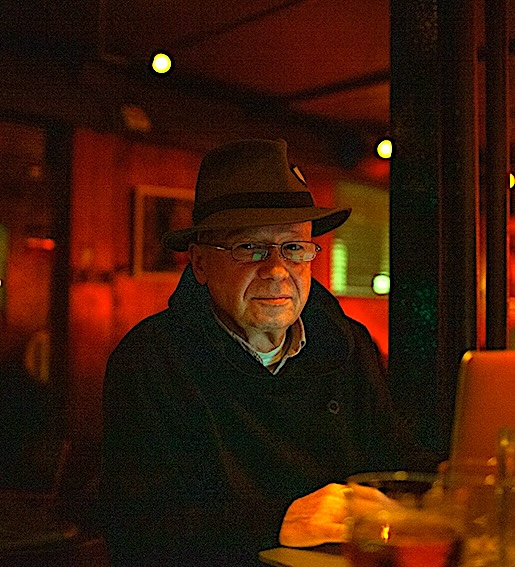
Leo Kamen published his first book, Rolling the Bones, A memoir, in 2010. It recounted the improbable journey he took to become both an artist and an art dealer. Despite having little interest in visual art growing up, he abandoned academia at the University of Toronto in 1972, in his early 20s, to pursue sculpture and photography. He set up a studio in a log cabin north of Orillia, Ontario, and later in a loft in Barrie. In 1980, approaching the age of 30, he returned to Toronto and opened an art gallery to become an art dealer, a career that pursued him into his 50s. During this time, he used every spare moment to undertake the long and difficult apprenticeship of learning the craft of writing. Many years of working weekends and on holidays were required to produce the memoir. After publishing the book and closing the Leo Kamen Gallery in 2011, writing became a vocation. In 2015 he moved to Montreal. Six novels have been realized since.
Kamen's writing style is satirical, humorous, and sometimes surreal. It often involves some aspect of the art world. The author is influenced by the work and perspectives of other writers like Thomas Pynchon, John Fowles, Kurt Vonnegut, and Gabriel Garcia Marquez. He credits Eric Manning, a grade 11 English teacher, and a poem by Emily Dickinson called The Snake, with first opening his eyes to the power of the written word and the vivid images it conjured.
The commitment to write daily has been something of a Zen practice. Calming. A gateway to the wildings of the imagination and yet a grounding in critique and self-discipline. In the end, a kind of tug of war has evolved, the writer pursuing clarity of thought while allowing the twitch and flail of imagination the freedom to fly loose and free.
The Art Dealer
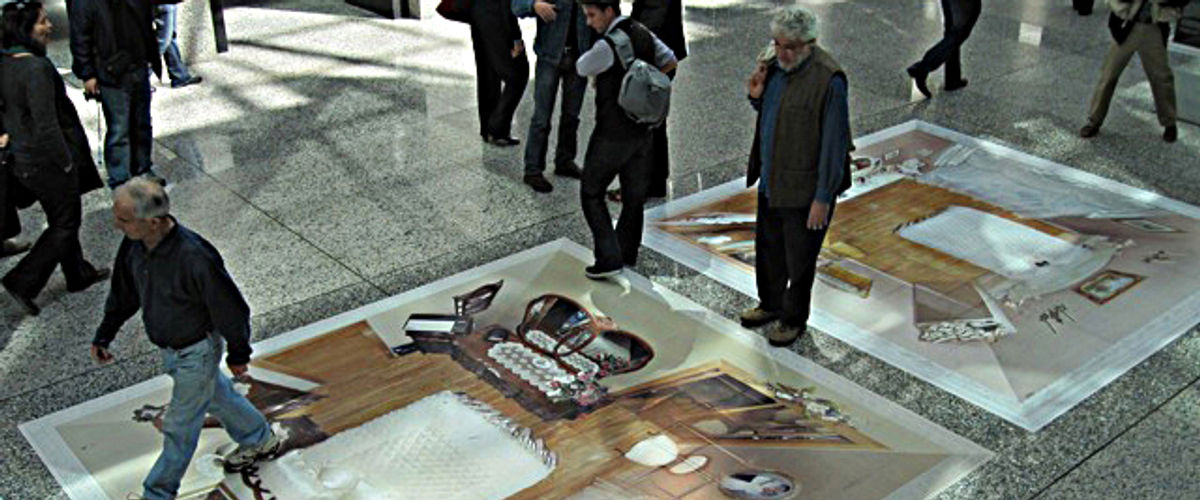
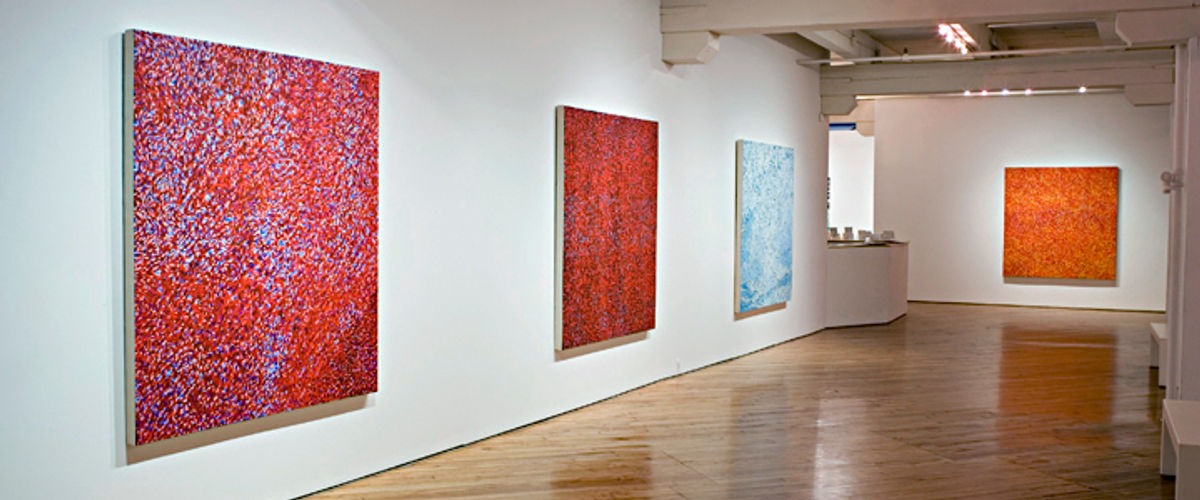
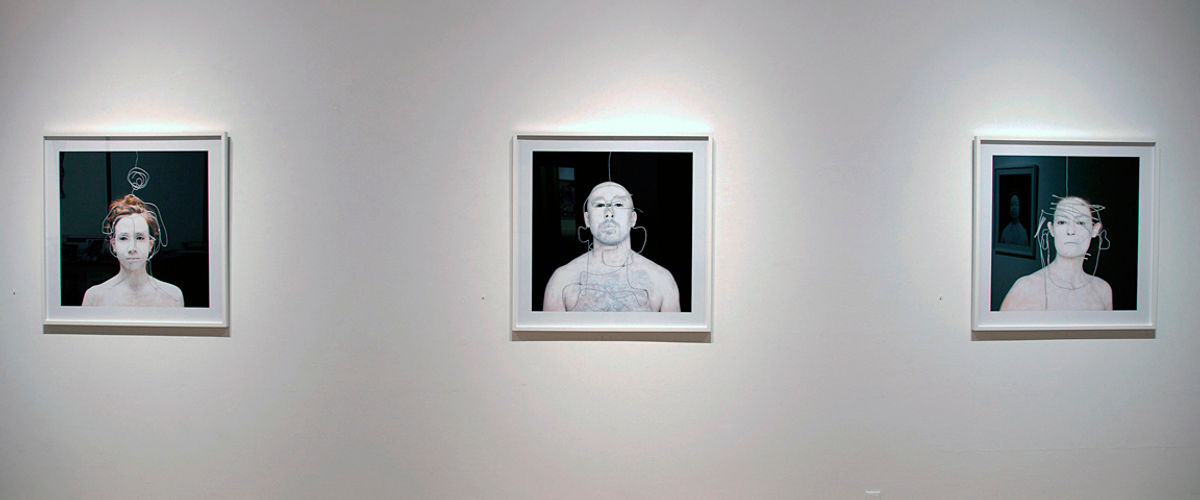
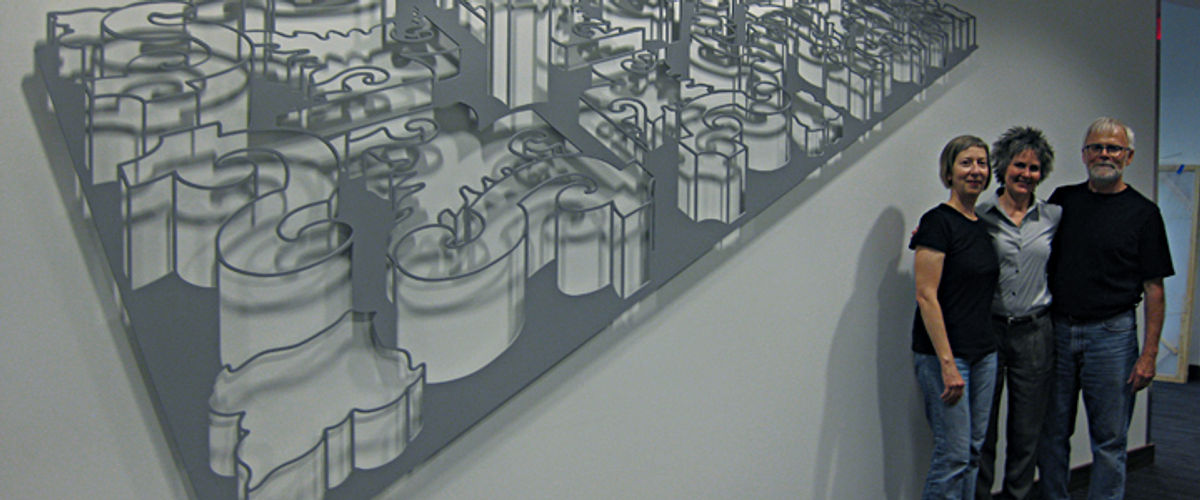
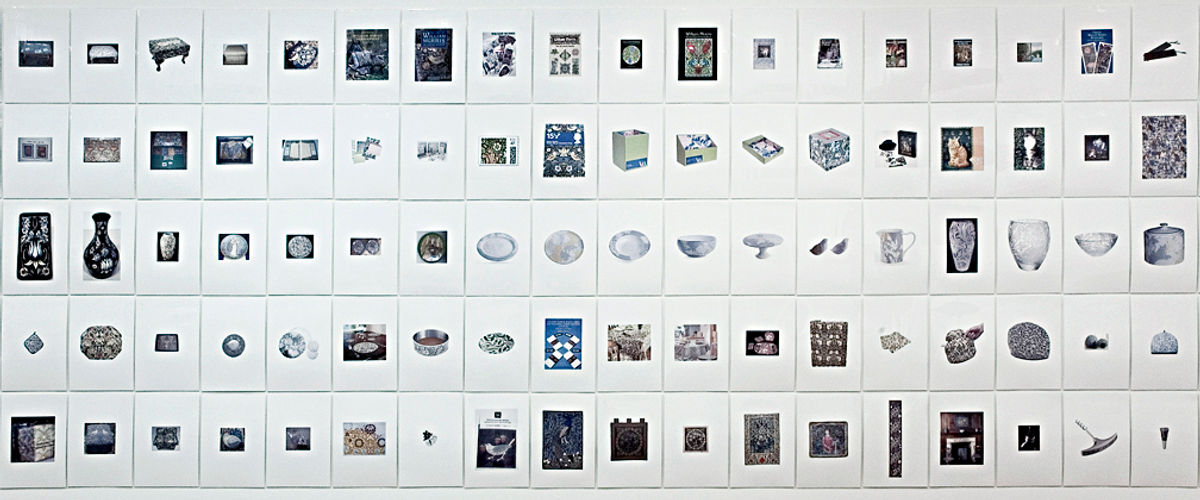
Over a thirty-year period (1982–2011), Leo Kamen curated some three hundred exhibitions. He viewed his Toronto gallery as a kind of refuge and chapel, a haven from all the noise and distraction of the world, an ideal venue for those wishing to celebrate intelligence and beauty in the quiet contemplation of viewing artwork.
Throughout his career, he relied on two antidotes to the anxieties and pressure of being an art dealer. The first came in discussing artwork with artists. It was in the artist's studio that the world was engaged most honestly, directly, and with the greatest conviction. An hour spent in an artist's incandescent company went a long way to restoring his faith in humanity. The second came in the satisfaction he took in devising and installing exhibitions, a unique opportunity to lift the world out of the ordinary into the eloquent and meaningful.
Artist Consultant
Execute artwork coherently and thoughtfully and it soon finds an audience. Make smart art. A career will follow.
After he closed the gallery in 2011, and until 2020, Leo Kamen worked as a professional consultant for artists, comparable to being an acting coach for actors, or a personal trainer for athletes. He visited artists in their studios to discuss their practice. In the course of an intense hour-long meeting, he made observations and recommendations intended to sharpen the authority of the artwork. His comments were direct and honest. The art's merits were debated and its limitations tested. There was no better way to ground and (re)instill it with power and meaning than to burrow into the artist's primary intentions. Clarity of purpose and expression was the key to making good art. Ultimately this was what a viewer experienced when they first encountered the work. What they would remember most in years to come.
Personal
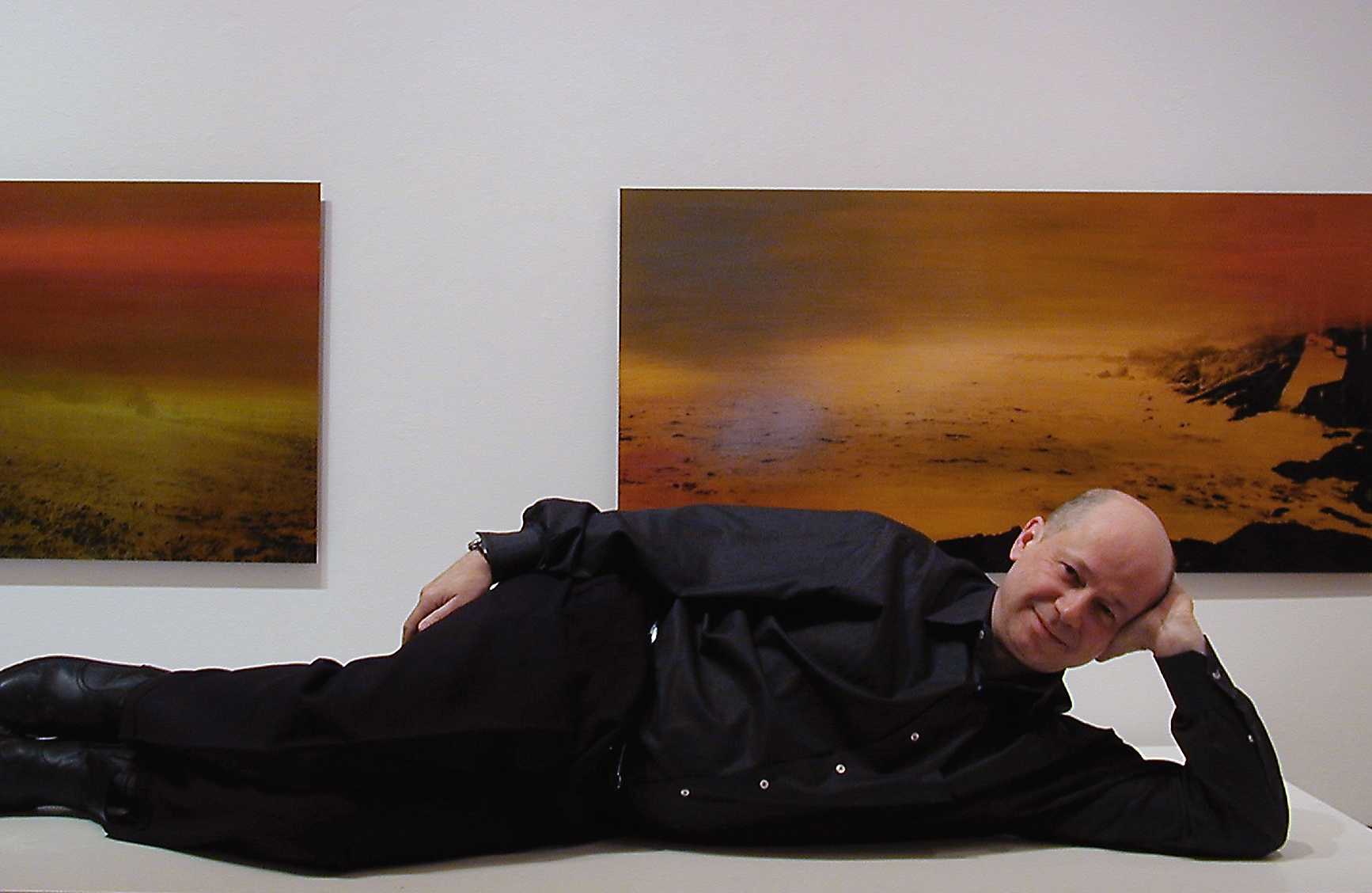
Leo Kamen was born in Ottawa in 1951 to immigrants who had fled Europe after the Second World War. His father was Latvian, a house painter. His mother was Russian, a homemaker and then store clerk. In 1969, at the age of 17, he fled Ottawa to enroll at the University of Toronto for two years, then moved north to a log cabin on the Rama Road near Orillia, Ontario. From 1972 to 1977 he lived as a sculptor and photographer in various locales while slinging beer at the Clarkson Hotel in Barrie. Then from 1977 to 1980 he moved into a schoolhouse in Craighurst, Ontario, north of Barrie, that had once been the studio of Emanuel Hahn and Elizabeth Winwood. Most notable during his career as an artist were a suite of nude pictures he took of a masseuse, whose name he has regrettably forgotten, and a series of ethereal photographs of a white Arabian stallion.
In 1980 he moved back to Toronto, worked as director of the Tatay Gallery for two years, and then opened the Leo Kamen Gallery at 80 Spadina Avenue in 1985. Over the next few decades, he courted bankruptcy more often than he cares to remember, built up a stable of artists, established a national reputation, and then closed the gallery in 2011 to take up a career as a writer while working as an artist consultant.
An artist he once knew observed that an art dealer like himself needed a wide variety of skills in order to survive: a gift for marketing, public relations, and business administration; an aptitude for psychology; awareness of art history; and the possession of enough charm to persuade the tightest of wallets to open. Having mastered these skills, he concluded, the dealer was then ruined for doing anything else with his life than to sell his soul for money, status, and power. Somehow, Leo Kamen managed not to sell his soul while surviving all three.